
The Image of God: Humanity as God’s Living Idol
Oct 25, 2025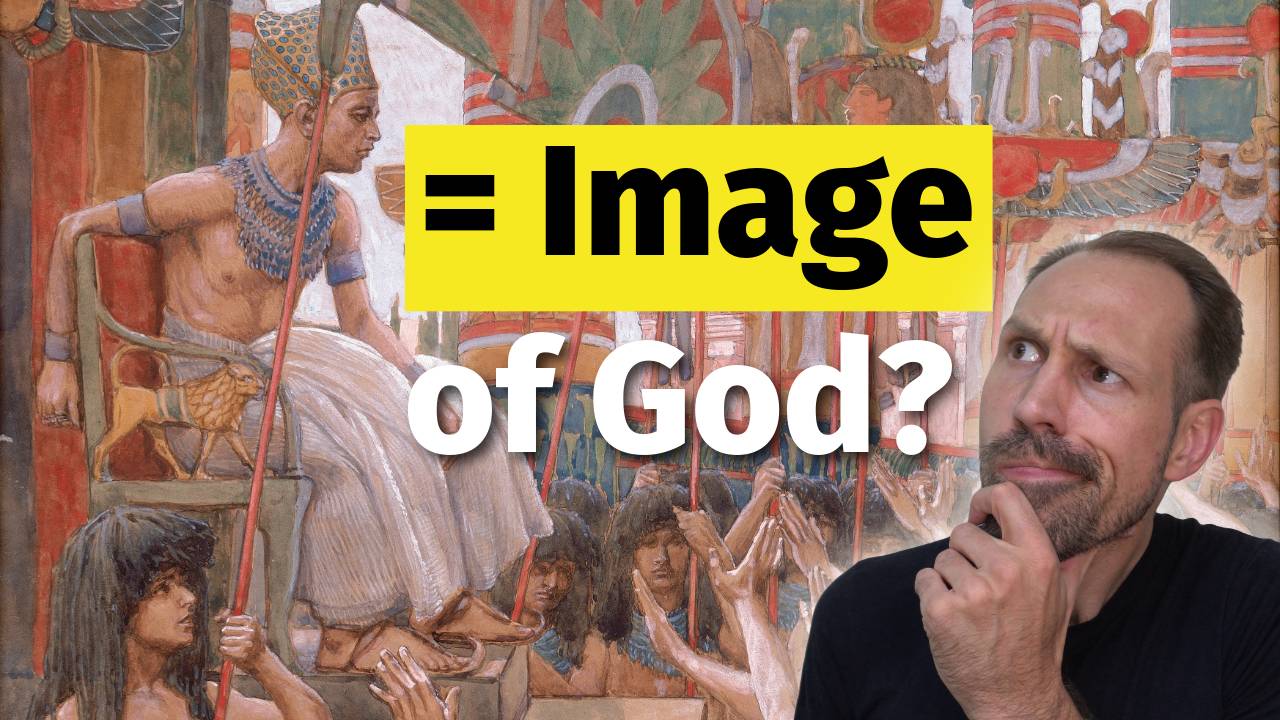
The phrase “made in the image of God” might be the most famous line in Genesis—but also one of the least understood. Many assume it refers to our reason, our soul, or our moral nature. But Genesis never actually defines it that way. When we trace the Hebrew word for “image” (tzelem), a surprising picture emerges—one that redefines what it means to be human.
In the ancient world, an image was not an abstract quality—it was a physical representation. In fact, the Hebrew tzelem most often refers to an idol statue, the visible embodiment of a deity’s presence and authority. So when Genesis 1 describes God creating humanity in His tzelem, it’s presenting the creation of the world as the building of a temple—and placing God’s living “idol” within it.
The pattern is consistent across Scripture. Just as God’s glory filled the tabernacle and temple after their completion, so He fills creation with His presence by placing humans within it. We are not passive decorations but active representatives, charged to reflect God’s character and extend His rule. That’s why idolatry is forbidden: God has already made His image on earth—us.
Then, later in Genesis, this same idea comes to life through the story of Joseph. When Pharaoh exalts Joseph to rule over Egypt, he clothes him in royal garments, places his ring on his hand, and commands the people to bow before him. Joseph becomes, in Judah’s words, “like Pharaoh himself”—his living image and representative. Genesis uses Joseph’s story to illustrate what humanity was always meant to be: faithful rulers who reflect the character of the true King.
Ultimately, this image finds its perfection in Christ, “the image of the invisible God.” Through Him, the image marred by sin is restored. Those who are in Christ are being “renewed in knowledge after the image of their Creator,” destined to share His reign in the new creation.

